Global Circular Solutions for End-of-Life Solar
We take decommissioned solar panels off your hands — and put every gram back to work.
PV Regen operates automated, 100% dry physical recycling for end-of-life solar modules. No chemicals, no process water, and a verifiable record for every single panel we handle. Asset owners get a clean compliance exit. Manufacturers get high-purity secondary raw materials. Both get carbon data they can put in front of an auditor.

- 100% Dry physical process
- 0 Chemicals & process water
- 1 : 1 Panel to traceable record
Where would you like to start?
-
I have panels to decommission.
Retiring an array, repowering a site, or clearing manufacturing scrap? We handle collection through to certified processing, with the paperwork your regulator expects.
Decommissioning Services -
I'm sourcing recycled materials.
Glass, aluminium, silicon, polymers and metals — separated dry, kept at spec, and supplied with batch-level traceability.
Circular Materials -
I want to build this in my market.
We work alongside local operators to stand up circular capacity where the panels are — you know the market, we bring the process and the traceability system.
Global Partnerships
At a glance
- 8 Material streams recovered
- 18 kg Accounted for per module
- 2 Operating locations
- 6 Focus markets
Operating permits, certifications and reference details are provided in full at the start of any commercial engagement.
The disposal route decides everything that follows.
Landfilling a module throws away 18 kg of recoverable industrial material, and leaves a weighbridge ticket as the only record of where it went. Thermal and chemical recycling recovers more, but brings emissions control, wastewater treatment and solvent handling with it — and typically downgrades the glass to low-value aggregate. Our dry physical route uses neither heat-driven decomposition nor solvents: materials come out separated, at specification, and logged.
| Landfill | Thermal & chemical recycling | PV Regen dry physical | |
|---|---|---|---|
| Material recovery | None | Partial | All eight fractions |
| Material grade | — | Glass typically downgraded | Kept at industrial spec |
| Process water | Leachate risk | Treatment required | None used |
| Chemical inputs | None | Solvents / high heat | None used |
| Auditable record | Weighbridge only | Batch level | Per panel |
What happens to a module here
Five stages, all mechanical, all dry.
-
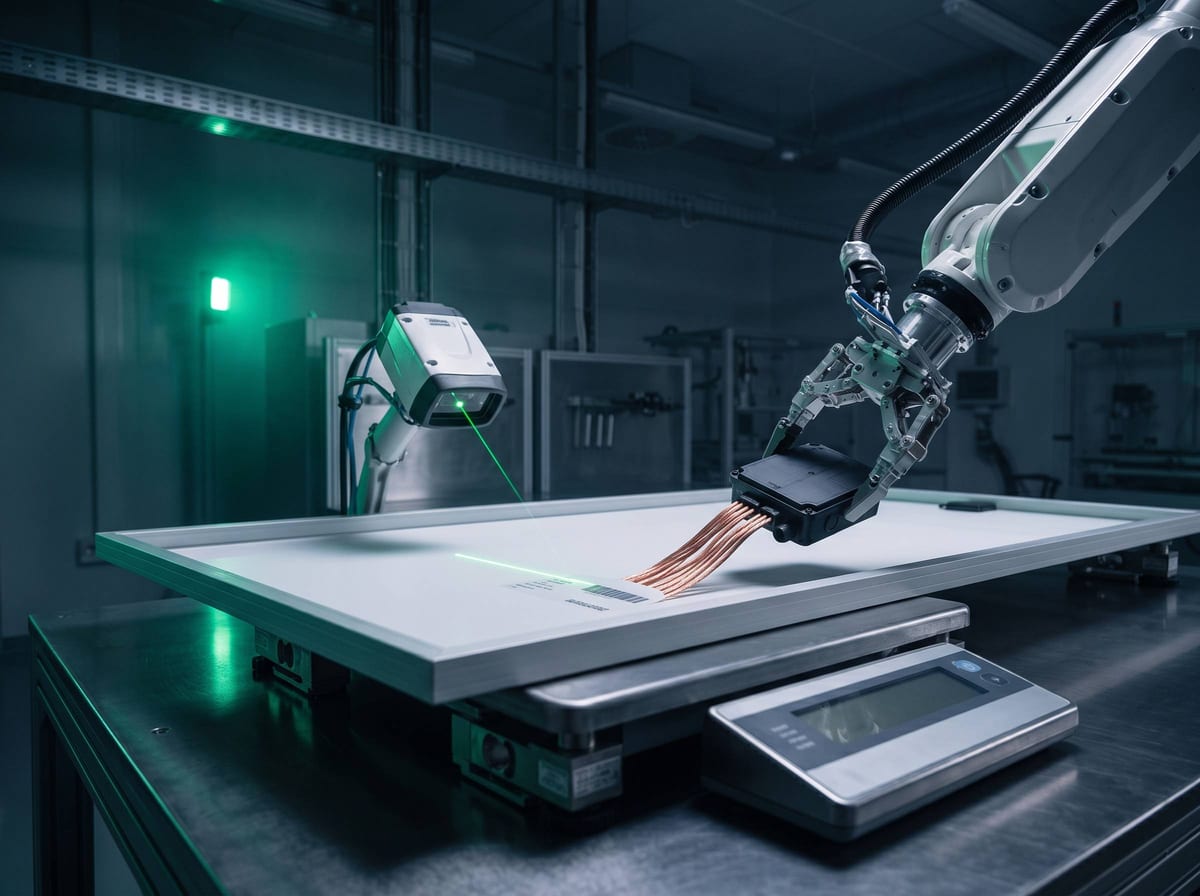
Register
Every panel is scanned, weighed and given a unique record.
-
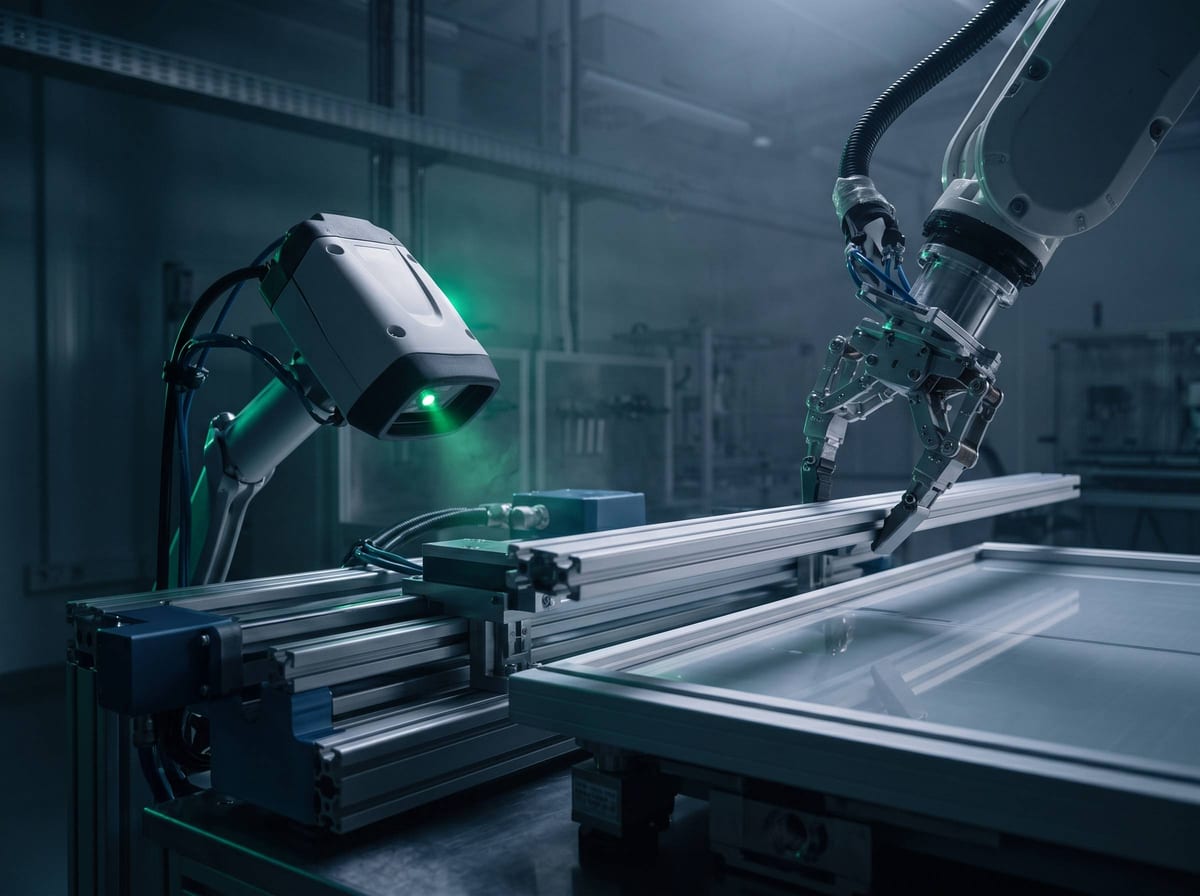
Frame recovery
Aluminium frames are removed intact, glass undamaged.
-
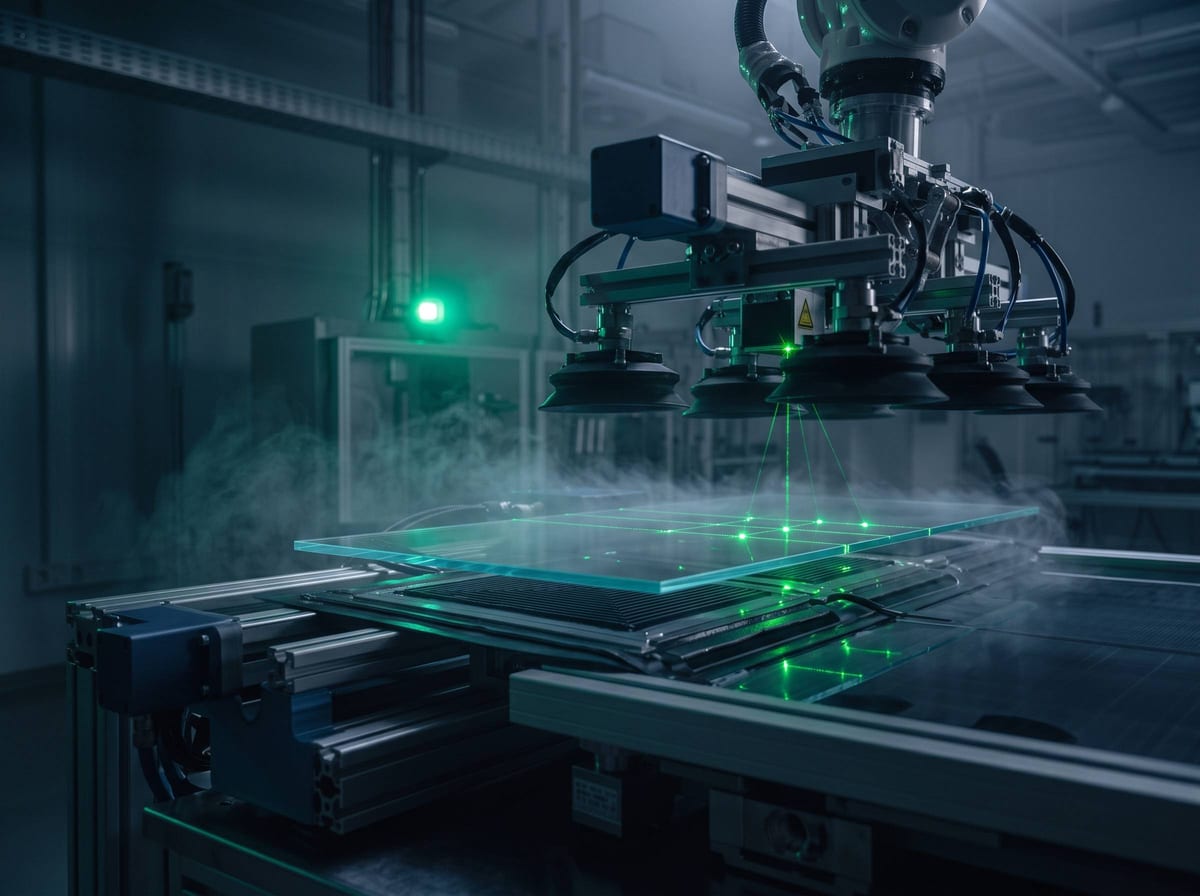
Glass recovery
Tempered glass is separated whole and clean.
-
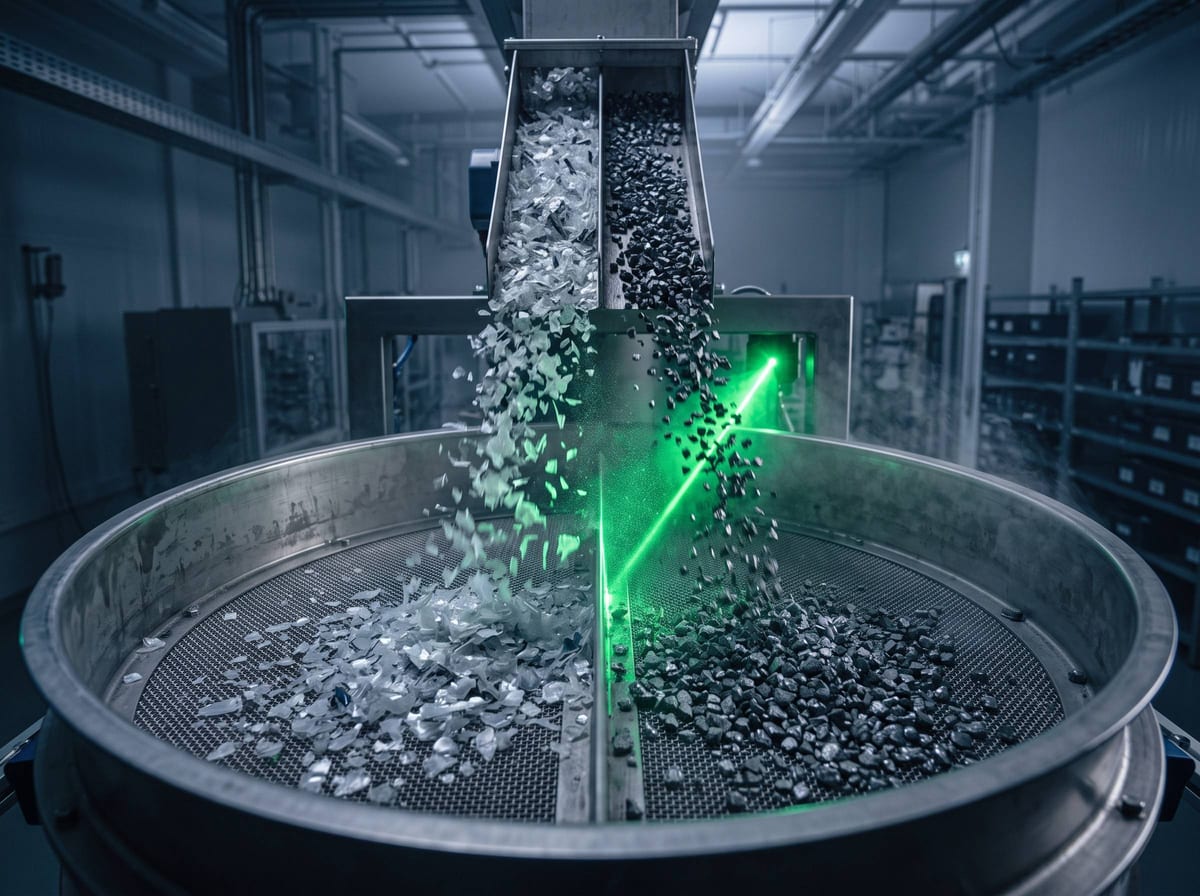
Material separation
Backsheet polymers are separated from the cell fraction.
-
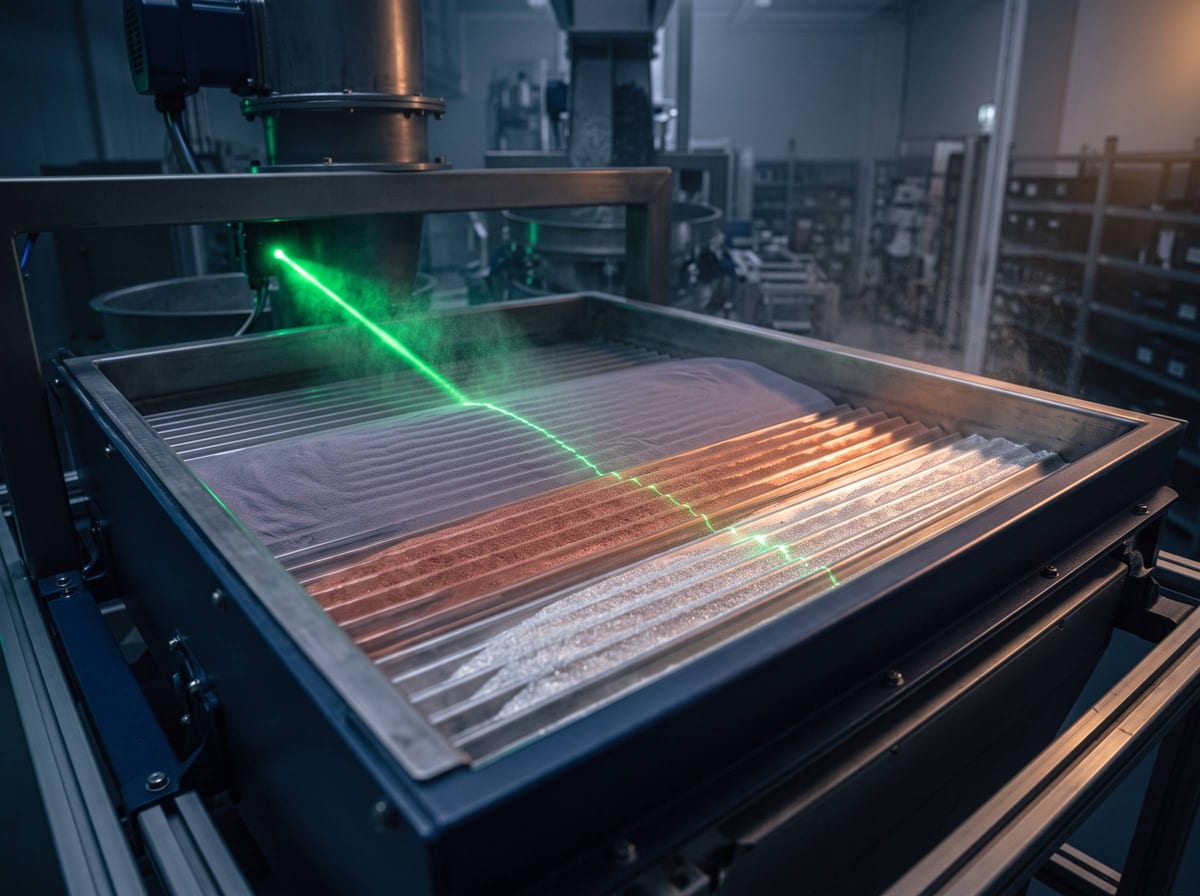
Fine sorting
Silicon, copper and silver are sorted dry, no water used.


Traceability
One panel, one code.
Every module entering our facility is registered against a unique code and weighed at each stage. Matching input serials to fractional output weights gives a closed mass balance per panel — the basis for the recovery rates and carbon figures we report. It means our numbers are audit-ready, not estimated.
Traceability & carbon dataWhere we operate
Six markets where regulation is closing the landfill route, and where recovered material has somewhere to go.
-
United States
State landfill restrictions and producer responsibility programmes
-
Europe
WEEE producer responsibility, with ESPR requirements ahead
-
Southeast Asia
Manufacturing scrap and supply-chain circularity evidence
-
Australia
Product stewardship and concentrated repowering volumes
-
Taiwan
Waste code D-2528 with mandatory official reporting
-
Japan
Decommissioning reserves already funded, recycling scheme forming
Three ways to start a conversation.
Whichever applies, a short message with volumes and timing is enough for us to come back with something concrete.